
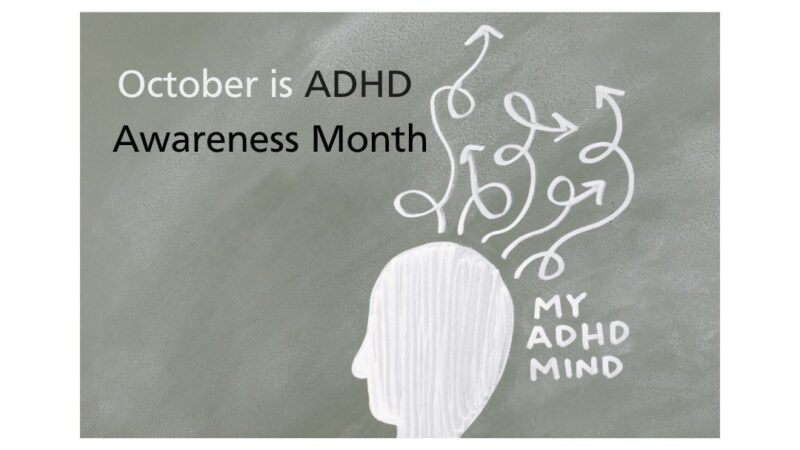
October is ADHD Awareness Month, a time dedicated to increasing understanding, reducing stigma, and promoting support for people living with ADHD (Attention Deficit Hyperactivity Disorder). It’s the perfect opportunity for workplaces to reflect on how they can better support neurodiverse colleagues. Not just this month, but all year round.
So what exactly is ADHD?
ADHD (Attention Deficit Hyperactivity Disorder) affects the brain’s executive functions, the mental skills that help us plan, focus, remember things, and manage time. When someone with ADHD struggles to start a task, stay organised, or meet a deadline, it’s not because they don’t care or aren’t trying. In fact, many people with ADHD are trying very hard, but their brains are wired differently, and that can make everyday tasks feel overwhelming.
People with ADHD often experience challenges in traditional work environments, but they also bring creativity, energy, and fresh perspectives to the table.
ADHD doesn’t present in the same way for everyone. In fact, there are three types, and people can experience one, two, or even all three types at different times in their life:
Inattentive
- Easily distracted, forgetful and can struggle to stay organised
- May seem like they’re not listening or are “zoning out”
- Often misses details or deadlines, which is not from lack of effort, but because their brain processes information differently
Hyperactive-Impulsive Type
- Restless, tends to talk a lot, interrupts or acts without thinking
- May struggle to sit still or wait their turn
- Often full of energy and enthusiasm, but may find it hard to slow down
Combined Type
- A mix of both inattentive and hyperactive-impulsive traits
- This is the most common type in adults
Why understanding ADHD matters at work
People with ADHD can face real challenges at work and not because they’re not capable, but because the workplace isn’t always designed with neurodiversity in mind. Without support, they may struggle with:
- Meeting deadlines
- Managing multiple tasks
- Staying focused in noisy or busy environments
- Feeling misunderstood or judged
But with the right understanding and adjustments, they can excel.
How to support colleagues with ADHD
Here are some simple ways to make your workplace more ADHD-friendly:
- Clear communication: Break tasks into steps and provide written instructions
- Quiet spaces: Offer areas with fewer distractions
- Use tools: Encourage calendars, reminders, and task management apps
- Promote awareness: Training helps everyone understand and support each other better
ADHD is a strength too
People with ADHD often bring incredible strengths to the workplace such as creativity, problem-solving, spontaneity, and resilience. When supported, they can be some of the most dynamic and innovative members of a team.
This ADHD Awareness Month, let’s commit to learning more, listening better, and building workplaces where everyone, no matter how their brain works, can succeed.
For more information on ADHD