
Every week, David Burnett, Nurse Consultant in Cardiology at University Hospitals Sussex NHS Foundation Trust (UHSussex), meets people who have experienced chest pain, have had heart attacks or have undergone heart surgery.
Patients leave his clinic with treatment plans and medication to support their recovery, but David has long been interested in helping people truly understand their condition and why treatment and lifestyle changes matter.
“As clinicians, we talk about blood pressure, cholesterol and cardiovascular risk every day because it’s familiar to us,” David explains. “But for many patients these are complex concepts that can feel overwhelming. We know that stopping smoking, losing weight or taking medication consistently can significantly reduce the risk of heart attack and stroke. The challenge is helping people understand how and why those changes make a difference.”
Turning a clinical question into research
Embedding research, innovation and education into everyday care is central to UHSussex’s Excellent Care Everywhere strategy. It ensures patients benefit from the latest evidence while supporting Excellent Care for the Future and Excellent Care for Communities through research shaped by the diverse people it serves.
Alongside leading the Rapid Access Chest Pain Clinic at Worthing Hospital, running a follow-up clinic, leading the arrhythmia nursing team across Worthing and St Richard’s hospitals, and supporting the cardiac rehabilitation at Worthing, David had always wanted to pursue research.
“I knew research had huge potential to improve patient care, but I needed protected time to develop the skills and explore whether my ideas could become meaningful research.”
In 2024, David secured a My Charity-funded research fellowship, giving him one day each week to focus on research. During that time, he built an academic supervisory team, developed collaborations with researchers at Queen Mary University of London and worked with UHSussex Research Champions to develop an idea inspired by years of conversations with patients.
His research asks a simple question. Could visual communication help people better understand cardiovascular disease and encourage healthier choices?
“We often explain how medicines and lifestyle changes protect the coronary arteries,” David says. “But it isn’t always easy for people to picture what we’re describing. I began wondering whether simple visual tools could make those conversations easier to understand.”
Research designed with people
“I wanted the people we’re trying to help to play a key role in shaping the research through meaningful public and community involvement from the very start,” says David.
Working with Dr Anna-Marie Bibby-Jones, Surrey and Sussex Research Engagement Network (REN) Co-Lead, David partnered with two community charities; Crawley Community Action and the Hangleton and Knoll Project. Working with their Community Health Panels, a number of interactive workshops took place that involved using heart models, educational sessions and open discussions about how people prefer to receive health information.
Participants preferred simple illustrations over detailed medical images, found physical heart models easier to understand than diagrams alone, and wanted personalised information, plain language and opportunities to ask questions. Many also said information should be shared in different ways, including visual, verbal and written formats, to help them remember it after appointments.
“What struck me most was how willing everyone was to share their experiences,” David says. “They weren’t just giving feedback. They were helping us rethink how we communicate. Many had lived with cardiovascular disease themselves or supported family members, and their perspectives were invaluable.”
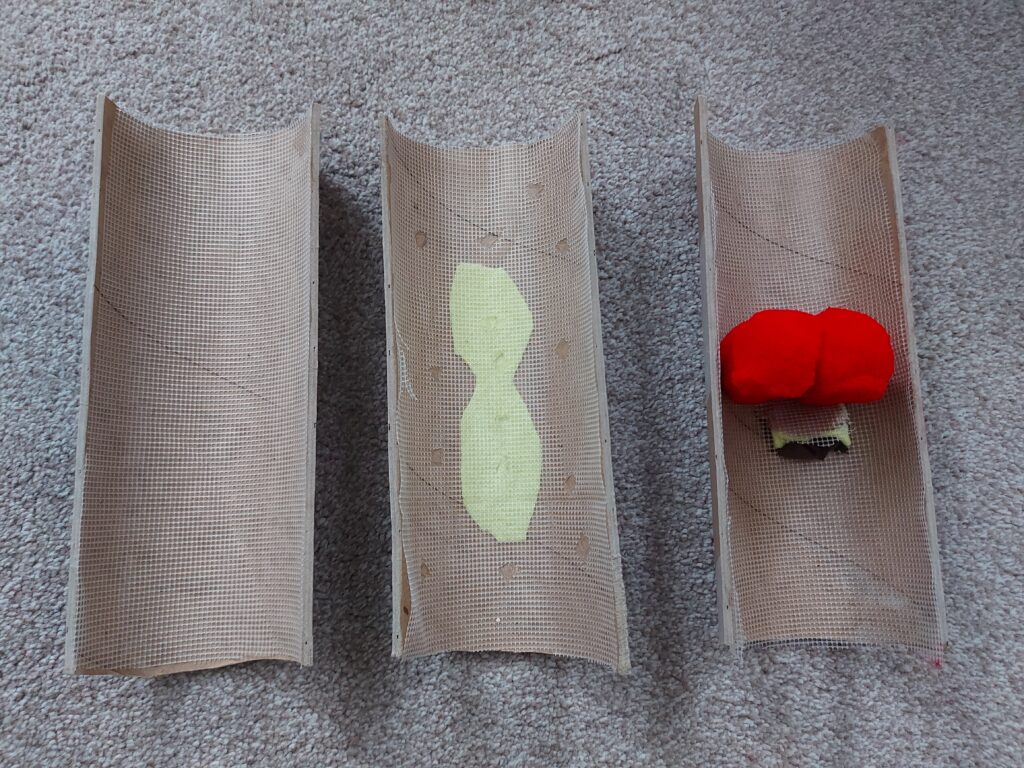
The workshops also helped participants improve their own understanding of heart health and encouraged positive behaviour changes. Commenting on the workshops, participant Darryll Lamb from Crawley Community Action said: “I’ll tell you what did help me – last session’s demonstrations. Honestly, I’ve been told the same things about cholesterol so many times over the years, but it never clicked. When you used those props – the artery tubes, the plaque block – suddenly everything made sense. “
Building a clinical academic career
In November 2025, David secured a prestigious National Institute for Health and Care Research (NIHR) Predoctoral Fellowship, providing dedicated time to develop a doctoral fellowship application and PhD proposal.
“The fellowship represents more than a personal career milestone,” David says. “This isn’t about becoming a researcher for the sake of it. It’s about improving the conversations we have every day in clinic and delivering excellent care. If we can help people better understand their cardiovascular risk, they’re more likely to feel confident making decisions that prevent cardiovascular events that could lead to disability in the future”.
Many of those involved in David’s project so far have offered to continue to work with him, in helping to co-design the research as it develops.
“Research should never lose sight of the people it’s trying to benefit,” he says. “When patients are involved from the beginning, we create better research and, ultimately, better care.”
Research improving care across Sussex
Dr Cate Bell, Programme Lead for Clinical Academic Careers and NMAHP Research
at UHSussex, said: “David’s work demonstrates why research is an essential part of everyday clinical practice at UHSussex. By supporting clinicians to develop research careers and involving patients and communities in shaping research from the outset, the Trust is generating evidence that can improve care, reduce health inequalities and ensure innovations reflect the needs of local people.”
As David’s work progresses towards a PhD, its ambition remains simple – helping people understand their heart health well enough to make informed decisions that could improve, and even save, their lives.
Find out more
To find out more about clinical research and how you can get involved in research at UHSussex please visit Research and innovation – University Hospitals Sussex NHS Foundation Trust.
You can also sign up to be contacted about research studies that you may be eligible to participate in at Be Part of Research.