
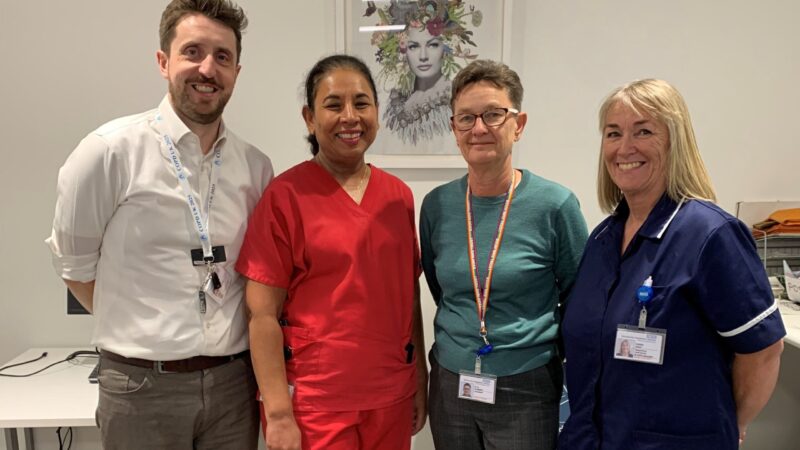
University Hospitals Sussex colleagues have helped develop a county-wide, unified approach to improving care for people living with chronic obstructive pulmonary disease (COPD). The new framework aims to support earlier diagnosis, better access to treatment and help reduce hospital admissions.
COPD affects around 36,000 people in Sussex. It is a group of lung conditions, including emphysema and chronic bronchitis, that cause breathing difficulties. While most common among older adults with a history of smoking, COPD can also affect susceptible individuals from the of age 35 onwards.
These breathing problems typically worsen over time and can limit normal activities, but with the right care, quality of life can be significantly improved.
Until now, the care and support for people with COPD has varied across the region. To address these inconsistencies, a collaboration of primary and secondary care specialist professionals, from respiratory consultants and specialist nurses to pharmacists and GPs, have developed a unified guideline to ensure consistent, high-quality care regardless of location.
The project, led by Dr Jo Congleton, Respiratory Consultant at UHSussex and Clinical Lead for the NHS Sussex Respiratory Programme, is being launched on World COPD Day (19 November).
Dr Jo Congleton said: “This new Sussex-wide guideline covers the entire patient pathway, from initial suspicion of diagnosis, advanced management, and targeted interventions for select patients. By standardising care across Sussex, we aim to reduce unwarranted variation in care and ultimately enhance the patient experience.”
The new guideline highlights smoking cessation as the most effective intervention to slow disease progression and emphasises a holistic approach to the management of COPD, shifting focus beyond pharmacological treatment.
Dr Congleton explains: “Too often, medication is adjusted or increased when patients might benefit more from non-drug interventions. These guidelines champion a holistic approach to COPD care, supporting clinicians in empowering individuals to enhance their lung health—through regular physical activity, staying up to date with vaccinations, and engaging with community and voluntary sector services. We know that interventions such as these are linked to reduction in unplanned hospital admissions.”
The guideline was developed in collaboration with clinicians and Allied Health Professionals (AHPs) from UHSussex and partners from East Sussex Healthcare NHS Trust, Sussex Community Foundation Trust, Surrey and Sussex Healthcare NHS Trust, and East Sussex County Council. The project was overseen and supported by NHS Sussex Respiratory Network.
The guideline will be reviewed regularly to ensure it continues to reflect best practice and meet the needs of people living with COPD across Sussex.
This collaborative approach reflects our commitment to delivering excellent care for our communities. It supports our new five-year Trust strategy, which commits to helping people to live well and thrive by working with others to improve services, pathways and patient experience.
Find out how to stay well with COPD this winter on the NHS Sussex website.