
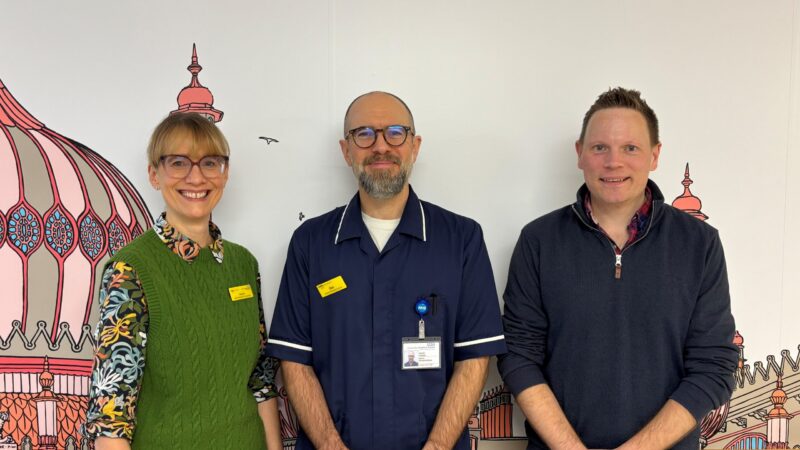
People living with Motor Neurone Disease (MND) in Sussex are now benefiting from enhanced support and improved access to clinical trials, following an expansion of MND care at University Hospitals Sussex.
MND affects the nerves known as motor neurones. These nerves are found in the brain and spinal cord, and they help tell your muscles what to do. This condition is usually life-shortening and there’s currently no cure, but treatment can help manage symptoms and maintain quality of life.
To strengthen this support, the Sussex Motor Neurone Disease Network has moved from the Brighton and Sussex Medical School (BSMS) to UHSussex. The relocation brings the network closer to patients and the clinical teams delivering day‑to‑day care, enabling more joined‑up support for patients and professionals.
The network collaborates with a wide range of partners, from social care to hospices, to improve the quality and consistency of MND care. This includes enhancing community-based services, where most MND care is delivered, and providing education and training for health and social care professionals.
As part of the move, the MND service is expanding and introducing the Trust’s first dedicated MND specific roles. These new posts will work alongside Consultant Neurologist, Dr Andrew Barritt, within the MND patient clinic, which supports around 100 people living with MND across Sussex.
One of these new roles is Research Nurse, Dan Hansen, whose position is funded by the MND Association which focuses on improving access to care, research and campaigning for those living with or affected by MND in England, Wales and Northern Ireland.
Dan helps patients understand the research opportunities available to them, identifies suitable clinical trials, explains what participation involves, and offers ongoing support to those who choose to take part.
Dan said: “This is an exciting new role to have in the Trust. MND is a devastating illness with limited treatment options. Research is vital to advance our knowledge and discover effective treatments. The MND Research Nurse role will let us grow our portfolio of MND studies and give more people living with MND an opportunity to participate in research. Taking part in research empowers our patients and allows them to do something for themselves, and others, and shape the future of MND health care.”
To further strengthen coordination of care, Rachel Thomson’s role as Network Coordinator provides information, guidance, and practical support to patients, helping them navigate services and plan their onward care.
Rachel has nearly a decade of experience supporting people with MND and a background as a Speech and Language Therapist. She said: “MND is a highly complex condition with patients needing input from multiple services. This service expansion is improving coordination of patient care and reducing delays in accessing services and treatments.”
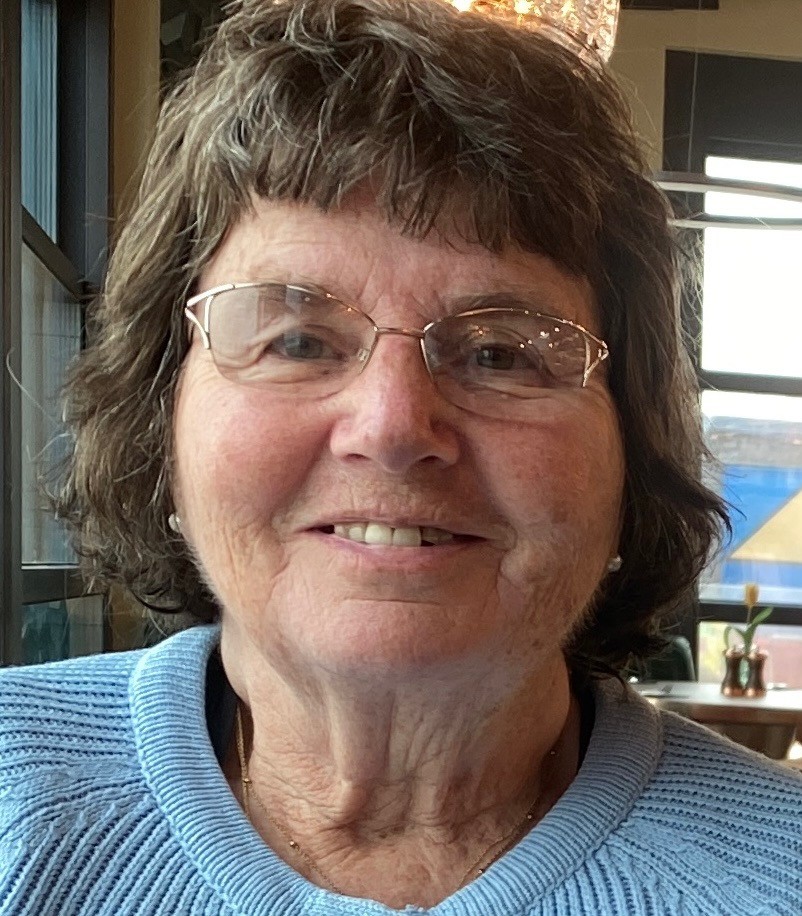
Sheila, aged 72, from Brighton was diagnosed with MND in 2022. She said: “Being diagnosed with MND was a frightening experience for me and my family. From day one Rachel, was truly invaluable as a friendly, calming, compassionate and reassuring voice. Since then, she has continued to be pivotal in the provision of these services which has been incredibly welcome.”
“Research is the only way that MND will eventually be defeated. I am very proud that, although probably it will be of no direct benefit to me, I am willing and able to participate in the MND-Smart trial that seeks to find a medication to tame this disease. Research Nurse, Dan, gently walked us through the decision-making process carefully answering all our many questions and concerns. Since then, he has been beside us at all stages of my journey through the trial.”
Dr Andrew Barritt, Consultant Neurologist, said: “We are delighted to receive funding from the MND Association for the long-standing MND Network Coordinator and new MND Research Nurse roles, alongside the imminent addition of a MND Clinical Research Fellow supported by the MyName5Doddie Foundation. Close integration of both research and clinical care within our expanding team ensures that people living with MND have timely access to expert advice, ensuring support from the point of diagnosis and early consideration for research opportunities.”
This collaborative approach reflects our commitment to delivering excellent care for our communities. It supports our new five-year Trust strategy, which commits to helping people to live well and thrive by working with others to improve services, pathways and patient experience.