
Download and print as a PDF (838kB pdf)
What is this information about?
This information tells you about how to best care for your child’s mouth and teeth if they have diabetes. It explains why children with diabetes are at higher risk of mouth (oral) conditions and how to protect them from developing further problems.
This information also gives you advice about general mouthcare, how to brush your child’s teeth, and how to make sure they have a healthy diet that reduces the risk of tooth decay.
Why does my child need to take extra care of their teeth and mouth if they have diabetes?
Children with diabetes are at a higher risk of getting tooth and mouth problems because:
- Hypos are treated with sugary foods and drinks. This is a problem when needed between mealtimes and at night.
- They may have less saliva (spit), and the saliva they do have may not protect their teeth very well. Saliva is important because it washes away sugar and acid.
- Even with good diabetes management, blood sugars tend to be higher than in a person without diabetes. This can contribute to inflammation that directly affects the health of their mouth, and can make them more likely to get infections.
What mouth problems can children with diabetes suffer from?
- Tooth decay (dentists call this dental caries- pronounced ‘care-eez’)
- Gum disease
- Mouth (oral) infections
- Dry mouth
- Enamel defects (poorer quality tooth mineral)
- Slower healing
How can I help to protect my child against tooth decay?
Whether or not your child has diabetes, it is important to look after their overall dental health. If tooth decay is not treated it can lead to your child:
- Developing a severe infection, which could put their health at risk
- Having pain and swelling
- Affect their eating, speaking and smiling
- Missing days at school
But there are things that you can do to help protect your child’s teeth.
Make sure your child is registered with a dentist and has their first dental visit by the time they are 1 year old. It is important for your child to go for regular dental check-ups 3-6 monthly (ideally 3 monthly for optimal protection). NHS dental treatment is free for children.
To reduce the risk of tooth decay when treating hypos:
- Try to avoid fizzy drinks or sticky sweet foods
- Use a drinking straw for sugary drinks
To reduce the risk of tooth decay after treating a hypo:
- For young children, drink plain water
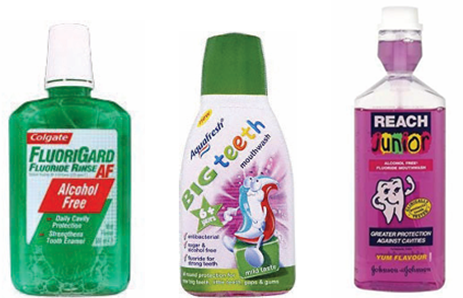
- For children 8 years and above, rinse with a daily fluoride mouthrinse (0.05% w/v; 230 ppm)
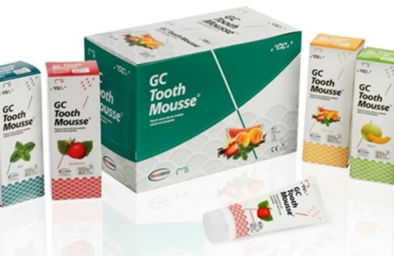
- Apply a smear of GC Tooth Mousse (not suitable for children with milk protein intolerance or allergies) or their toothpaste to all tooth surfaces with a cotton-bud or clean finger
How can I help to protect my child against gum (periodontal) diseases?
People with diabetes have a higher risk of gum disease. This is especially true if they have poor diabetes control.
Gum disease develops when plaque (which is a layer of bacteria and food debris) builds up on teeth. This irritates the gums making them inflamed (gingivitis). They can look swollen and bleed.
Over time, if plaque is not cleaned off the teeth well enough, persistent inflammation can cause the gum and bone supporting the teeth to break down (periodontitis). This leads to teeth becoming loose and infected.
To reduce the risk of gum disease:
- Keep glucose control within the target range of 4-10mmol/L as much as possible
- Brush teeth well twice a day, at bedtime and one other time, for at least two minutes
- Brush the gum line and every part of the tooth
- From 12 years old, clean between the teeth daily using an interdental brush or floss
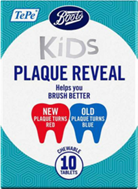
- Use disclosing tablets to show up plaque, which helps you brush in the right places. The best time to do this is straight after brushing, then brush again
What mouth (oral) infections are children with diabetes at risk of developing?
- Fungal: oral thrush (candidiasis)
- Viral: cold sore (herpes simplex virus)
- Bacterial, due to an infected tooth
Infections will tend to be more aggressive and last for a longer time.
If you think your child has an infection of their mouth, contact their dentist immediately. Make sure your child always finishes all medicines prescribed to treat an infection.
What does oral thrush look like inside my children’s mouth?
Oral thrush may look like white or cream patches, which can be wiped off on your child’s cheeks, tongue or gums.
If you notice your child has signs of this in their mouth, take them immediately to see a dentist as they will need medicine to treat the infection.
How can I help to protect my child against fungal infections?
- Keep glucose control within the target range of 4-10mmol/L as much as possible
- Have excellent oral hygiene
- Rinse the mouth with plain water after eating
How can I help to reduce the dryness inside my child’s mouth?
Dry mouth is also called xerostomia. Children with diabetes can experience dryness in their mouth due high blood sugar (hyperglycaemia), which can stop their salivary glands from making saliva, and dehydration.
To help with a dry mouth:
- Drink plenty of water
- Older children can use sugar-free chewing gum to increase saliva flow
- Vaseline or emollients can help to protect dry lips and soft tissues
- Dry mouth gel applied on the tongue and around the inside of the cheeks can help lubricate the mouth. This can be prescribed by your doctor or dentist

Can diabetes affect how my child’s teeth form?
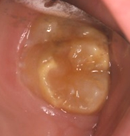
Yes. The mineral surface (enamel) of teeth can be more poorly formed in children with diabetes. Teeth may have visible yellow, white, or brown patches, or areas that can wear away and be sensitive. These patches are permanent.
The actual cause is unknown but could be due to illness (poor diabetes control) disturbing the cells that form enamel.
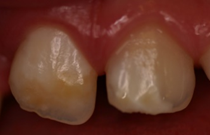
Can I stop enamel defects from happening to my child’s teeth?
Once teeth have an enamel defect it cannot be reversed. It is very important for your child to see the dentist 3-6 monthly (ideally 3 monthly for optimal protection) as these teeth can be sensitive and are at higher risk of developing tooth decay and wear.
How can my child protect these poorer quality teeth?
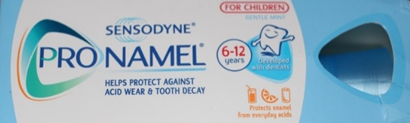
- Sensitive toothpaste such as Sensodyne can help to reduce sensitivity
- GC Tooth Mousse (not suitable for children with milk intolerances or allergies) can be used after brushing at bedtime to protect teeth
- Eating and drinking less acid-containing foods and drinks will reduce the risk of wearing away weaker teeth. This includes fruit juice and fruits
Other conditions children with diabetes may experience inside their mouth
- A change in taste
- A burning feeling inside their mouth
- Ulcers inside their mouth
- White patches or a white lace-like pattern on the inside of the cheeks or sides of the tongue (oral lichen planus)
If you suspect your child has an oral condition such as these, take them immediately to see a dentist.
Some of these conditions can make the mouth sore, but it is important to keep your child’s mouth clean during this time.
To reduce the soreness in your child’s mouth:
- Use a soft toothbrush with a small head, which will be gentler in a sore mouth
- Avoid hard food, spicy food, and strongly flavoured toothpaste, which can sting
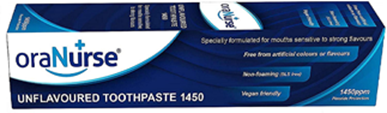
- Unflavoured or non-foaming toothpastes can be helpful in a dry, sore mouth or if your child does not like the taste or the feeling of toothpaste in their mouth
- Oral gel or lubricants (Vaseline or emollients) can protect the lips and soft tissues and relieve soreness
- Local anaesthetic mouthwash or spray (Difflam) can be prescribed by your child’s dentist or doctor to reduce soreness, especially when children are eating
What can my child’s dentist do to help protect my child’s teeth?
As your child could be at higher risk of tooth decay and gum disease their dentist should see them 3-6 monthly (ideally 3 monthly) for a check-up.
To protect your child’s teeth their dentist ideally should:
- Put concentrated fluoride varnish on their teeth every 3-6 months
- Place a permanent protective coating (fissure sealant) on back adult teeth when they come through – around the age of 6 years old
- Prescribe concentrated fluoride toothpaste for your child once they are 10 years old
What is the best way to clean my child’s teeth?
Start brushing your child’s teeth as soon as the first baby tooth comes through (usually 6 months of age).
- Use a toothbrush with a small head.
- Brush the gum line and every part of the tooth.
- Try to brush teeth twice a day, at bedtime and one other time, for at least two minutes with 1350-1500 parts per million (ppm) fluoride toothpaste.
- Spit out toothpaste after brushing. Do not rinse. This leaves a protective layer of fluoride over their teeth.
- Replace your child’s toothbrush when the bristles are worn (about three months).
Do I need to help my child to brush their teeth?
Yes, you do need to support your child’s toothbrushing. Adults will need to help brush teeth for children less than 7 years of age.
What toothpaste should I use to provide the maximum protection for my child‘s teeth?
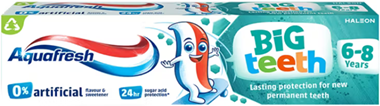
As your child is at higher risk of getting tooth decay you should use fluoride toothpaste with 1350-1500 ppm fluoride in it.
The dose of fluoride will be written on the front or back of the toothpaste packet.
Make sure your child spits out the toothpaste and does not rinse after brushing, so a bit of fluoride is left behind on their teeth. This maximises tooth protection.
How much toothpaste should I use on my child’s toothbrush?
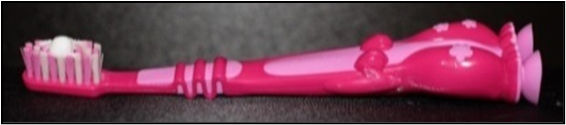
For children aged 0 to 3 years: smear-sized amount.
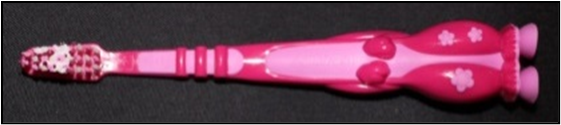
For children aged 3 or more years: pea-sized amount.
I find it impossible to brush my child’s teeth. Is there anything that could make it easier?
Choose a time when they are more relaxed like in the bath. Give them their own toothbrush to hold while you are brushing their teeth or use a brushing app that makes cleaning teeth fun, can all help.
Mobile apps such as Brush DJ app are suitable for all ages.
What is the best diet for preventing tooth decay?
A healthy, balanced diet with food low in sugar will help to reduce your child’s risk of developing tooth decay. When diabetes control allows, try to only give your child food low in sugar between mealtimes.
The safest drink for your child’s teeth between meals is plain water.
Putting water into the fridge or a fun drinking bottle or having a special drinking straw can help to encourage children to drink water. You can also buy a special drinking bottle called “Air up” bottle to put water in. This bottle tricks your senses into thinking you are drinking a flavoured drink when you are drinking only water.
What savoury foods can I give my child between mealtimes as a snack?
Snacks not requiring insulin:
- Fresh salad such as sticks of carrots, cucumber or pepper
- Dips such as cottage cheese, cheese spread or humous
- Cheese
- Lean chicken or meat
- Eggs
- Unsalted nuts or seeds
Snacks requiring insulin:
- Unsweetened and savoury crackers
- Crispbread
- Unsweetened, plain or savoury rice cakes
- Bread rolls
- Pitta bread
- Chapattis
- Buttered toast fingers
- Bread sticks
- Savoury sandwiches (cheese and carrot, tuna and cucumber, chicken and tomato, egg and cress, chicken and sweetcorn, sardine and tomato)
If you are eating between meals it is best that foods are grouped together as a single snack rather than “grazing”.
How do I maximise protection for my child’s teeth?
The information below shows you other things that can be used to protect your child’s teeth as they get older.
Age: 0-3 years
Amount of paste on brush: smear
Fluoride concentration in toothpaste: 1350-1500 ppm
Use GC Tooth Mousse after brushing at bedtime (not suitable for children with milk intolerances / allergies)
Age: 3-7 years
Amount of paste on brush: pea sized
Fluoride concentration in toothpaste: 1350-1500 ppm
Use GC Tooth Mousse after brushing at bedtime (not suitable for children with milk intolerances / allergies)
Age: 8-10 years
Amount of paste on brush: pea sized
Fluoride concentration in toothpaste: 1350-1500 ppm
Use GC Tooth Mousse after brushing at bedtime (not suitable for children with milk intolerances / allergies)
Use a daily fluoride mouthrinse (0.05% w/v; 230 ppm) at a different time to brushing teeth, ideally when your child comes in from school or following treatment for a hypo.
Age: 10-16 years
Amount of paste on brush: pea sized
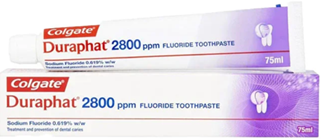
Prescribed concentrated fluoride toothpaste: 2800 ppm
Use GC Tooth Mousse after brushing at bedtime (not suitable for children with milk intolerances / allergies)
Use a daily fluoride mouthrinse (0.05% w/v; 230 ppm) at a different time to brushing teeth, ideally when your child comes in from school or following treatment for a hypo.
Age: 16 years
Amount of paste on brush: pea sized
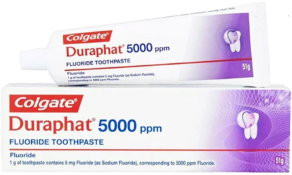
Prescribed concentrated fluoride toothpaste: 5000 ppm
Use GC Tooth Mousse after brushing at bedtime (not suitable for children with milk intolerances or allergies)
Use a daily fluoride mouthrinse (0.05% w/v; 230 ppm) at a different time to brushing teeth, ideally when your child comes in from school or following treatment for a hypo.
Your child’s doctor or regular dentist will need to prescribe your child the concentrated toothpastes (2800ppm and 5000ppm).
What are the main things to remember about looking after my child’s teeth?
- Try to brush your child’s teeth at bedtime and one other time during the day, for two minutes, with 1350-1500 ppm fluoride toothpaste.
- Get your child to spit out after brushing their teeth: no rinsing.
- Take your child to the dentist 3-6 monthly (ideally 3 monthly for optimal protection).
Where can I find more information and advice?
Find more information here on the NHS website:
Children’s teeth – NHS British Society of Paediatric DentistryThis leaflet is intended for patients receiving care in Brighton and Hove.
The information in this leaflet is for guidance purposes only and is in no way intended to replace professional clinical advice by a qualified practitioner.
Today’s research is tomorrow’s treatments. That’s why UHSx is proud to be a research-active Trust. Find out how you can get involved.
Visit our website www.uhsussex.nhs.uk/research-and-innovation/information-for-patients-and-public or scan the QR code: 